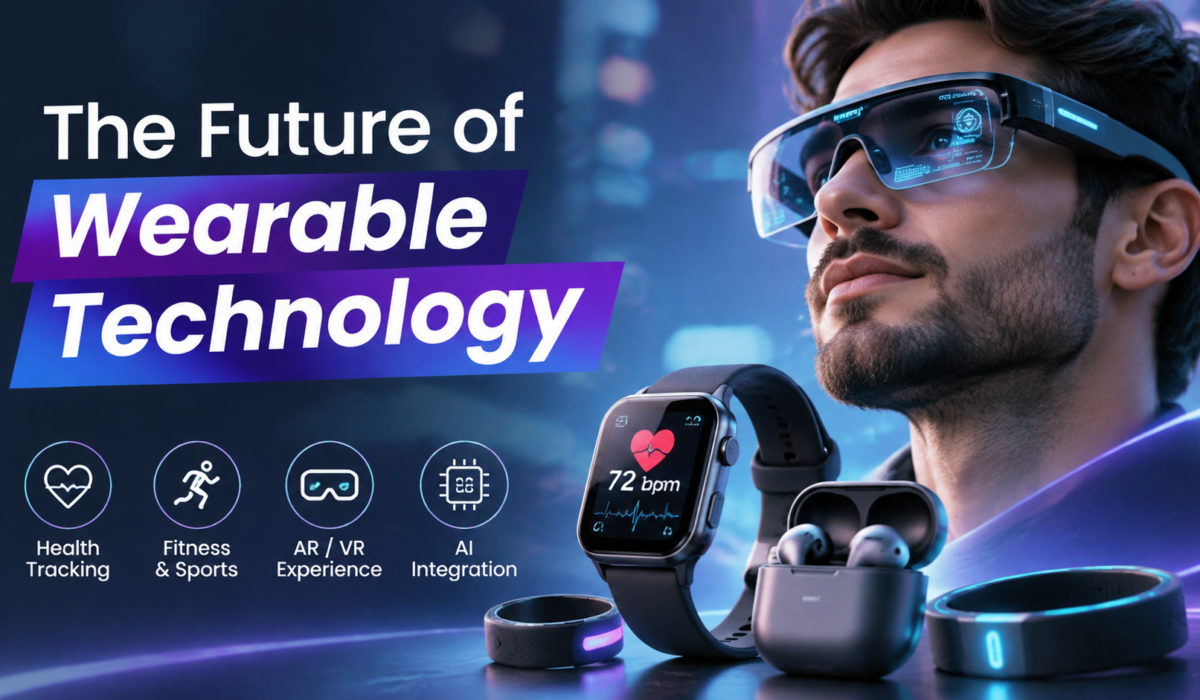
Wearable technology includes watches, fitness bands, smart rings, audio devices and specialized sensors. New products increasingly combine activity tracking, notifications and contextual computing. Their usefulness depends on comfort, battery life, reliable software and transparent data practices. Measurements should be interpreted carefully because sensors can be affected by fit, movement and individual differences. Before buying, consider whether the device works with your phone and whether its features remain available without a subscription. Long-term support is as important as launch-day specifications.
This guide looks at the practical decisions behind the topic: what to compare, which risks deserve attention and how to make a choice that remains useful after the initial setup.
Evaluate usefulness beyond novelty
Consider whether the wearable solves a real need: quick notifications, activity tracking, hands-free audio or convenient payments. Check comfort, battery life, phone compatibility and software support. Review whether useful functions require ongoing subscriptions.
Protect personal data
Wearables may collect location, movement, sleep or other personal measurements. Understand how data is stored, shared and deleted. Treat health-related readings as estimates rather than diagnoses, and avoid buying a device solely because of a marketing claim.
Practical steps
- Write down the main outcome you want from the future of wearable technology.
- Check the manufacturer's current documentation and support information before changing settings or buying equipment.
- Compare at least two trustworthy sources, including an independent review or primary reference where available.
- Make one change at a time and confirm that it solves the problem without creating a new one.
- Review privacy, security, warranty and ongoing-cost implications before making the setup permanent.
Questions worth asking
Before you decide, ask whether the option is compatible with the devices and services you already use, how long it will receive updates or support, what happens if it fails, and whether you can export or recover your data. These questions often reveal more than a headline specification or promotional claim.
Bottom line
The Future of Wearable Technology is ultimately about choosing a solution that fits a real need. Prioritize reliability, understandable settings, ongoing support and trustworthy information. Revisit the decision when software, prices or product support changes, and avoid relying on a single marketing claim for an important purchase or security decision.