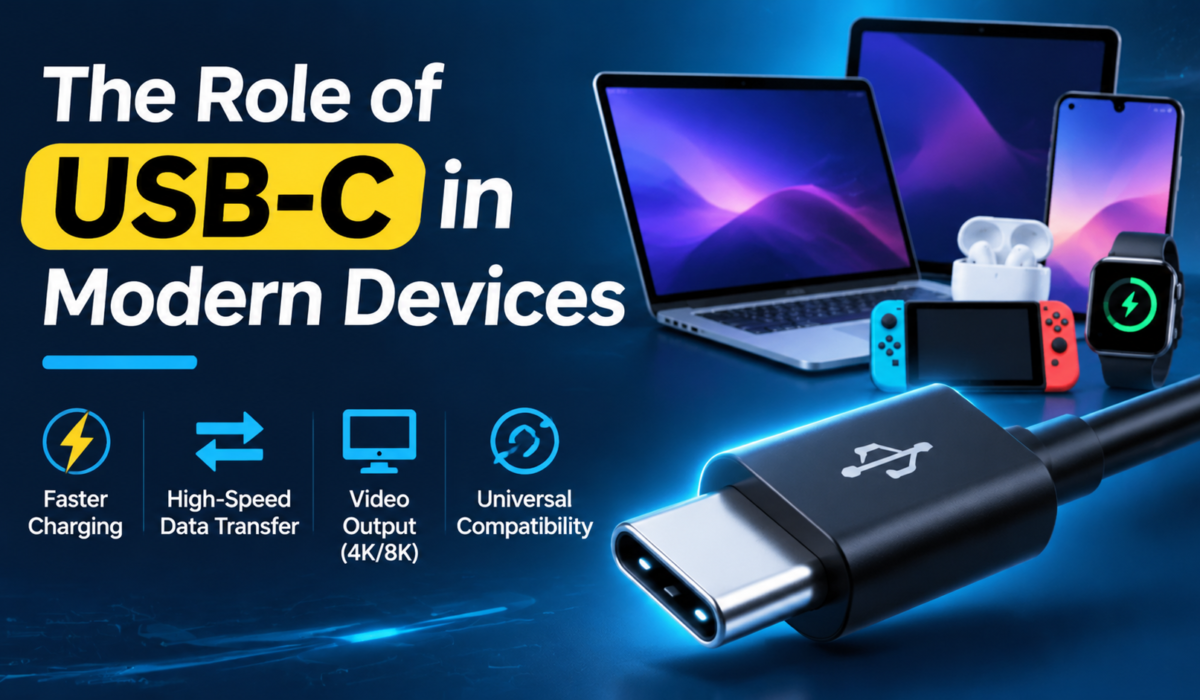
USB-C describes a connector shape, not a guarantee of speed or capability. Different USB-C ports may support different data rates, charging levels and display features. Check the specifications of both the device and cable before assuming a single cable can do everything. A certified cable suited to the required power and data rate can prevent frustrating connection problems. Labeling and clear product documentation are especially useful when connecting monitors, docks and external storage.
This guide looks at the practical decisions behind the topic: what to compare, which risks deserve attention and how to make a choice that remains useful after the initial setup.
Check the capability, not just the connector
USB-C describes the physical connector. A port may support charging only, basic data, high-speed data or display output depending on the device. Read the laptop, phone, monitor and cable specifications together before buying a dock or adapter.
Avoid cable confusion
Use a cable rated for the power and data speed you need. A cable that charges a laptop may not support a high-resolution monitor or fast external storage. Labeling cables and keeping the original device documentation can save time.
Practical steps
- Write down the main outcome you want from the role of usb-c in modern devices.
- Check the manufacturer's current documentation and support information before changing settings or buying equipment.
- Compare at least two trustworthy sources, including an independent review or primary reference where available.
- Make one change at a time and confirm that it solves the problem without creating a new one.
- Review privacy, security, warranty and ongoing-cost implications before making the setup permanent.
Questions worth asking
Before you decide, ask whether the option is compatible with the devices and services you already use, how long it will receive updates or support, what happens if it fails, and whether you can export or recover your data. These questions often reveal more than a headline specification or promotional claim.
Bottom line
The Role of USB-C in Modern Devices is ultimately about choosing a solution that fits a real need. Prioritize reliability, understandable settings, ongoing support and trustworthy information. Revisit the decision when software, prices or product support changes, and avoid relying on a single marketing claim for an important purchase or security decision.